Review: Number Two 2 for Small Business Embroidery
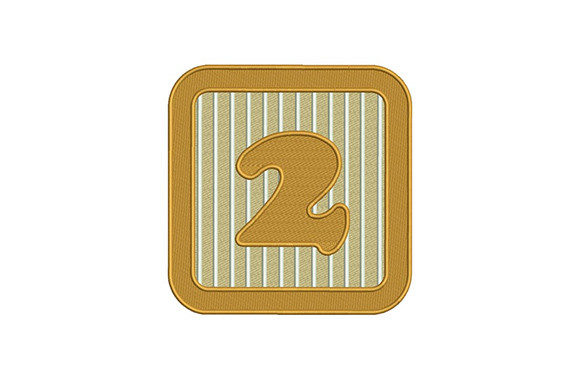
As an experienced embroidery designer who has spent years refining designs for commercial use, I know that the difference between a simple decoration and a true brand asset often comes down to versatility and clarity. When evaluating a new machine embroidery design, my primary focus is never just how it looks on a screen, but how it translates into a physical finished product that customers will wear, use, and trust. Recently, I reviewed a digital asset titled Number Two 2, described as a perfect option for those whose lucky number is two. While the description suggests a playful theme suitable for Back To School projects, I approached this review with a critical eye toward its viability for small business merch, branded patches, and professional apparel.
First Impressions: Personality and Brand Fit
The title Number Two 2 immediately signals a specific personality. It feels friendly, approachable, and slightly whimsical, yet it retains a clean structure that can work in both rustic and modern contexts. For a boutique, a creative studio, or a local bakery, this design offers a unique opportunity to inject personality without sacrificing professionalism. The concept of "lucky numbers" resonates well with handmade brands looking to create a narrative around their products. However, the success of this design relies heavily on execution. Does it feel like a premium label, or does it risk looking like a generic clipart? In the context of brand identity, a design must strike a balance between being memorable and being legible at various sizes.
This design appears to be a strong candidate for businesses that want to convey a sense of fun and community. Whether you are running a pet brand, a florist shop, or a craft business, the "Number Two" motif can serve as a charming accent. It is not overly ornate, which suggests it could integrate well with other design assets without creating visual clutter. The potential for this to become a recognizable symbol for your customer base is high, provided the stitch density and thread colors are chosen correctly.
Real-World Application: From Patches to Product Labels
The true test of any embroidery file is its performance in real-world scenarios. Let us imagine a small café or a handmade soap shop wanting to expand their revenue streams. They need embroidered patches for staff uniforms, cap embroidery for outdoor events, and tote bag designs for customers. How would Number Two 2 perform here?
- Embroidered Patches: This design is an excellent candidate for creating custom patches. The numerical nature of the subject matter allows for a compact layout, making it ideal for chest logos on work shirts or as a standalone patch on denim jackets. If the design includes a clear border, it can easily be converted into a sew-on or iron-on patch for custom apparel.
- Cap Embroidery: For headwear, the design's simplicity is a major advantage. A curved surface requires a design that is not too wide or tall. Number Two 2 could sit perfectly on the front panel of a baseball cap, serving as a subtle branding element that doesn't overwhelm the wearer.
- Tote Bag Design and Apron Embroidery: For retail environments, durability and visibility are key. Using this design on aprons for baristas or bakers adds a personal touch. Similarly, a tote bag design featuring this motif can act as a walking advertisement for your shop. The "lucky number" angle creates a conversation starter for customers carrying the bags.
- Product Packaging Accents: Beyond clothing, this design can elevate unboxing experiences. Stitching a small version of Number Two 2 onto product tags, gift boxes, or even directly onto fabric labels can significantly enhance the perceived value of a handmade product.
In these scenarios, the design moves beyond mere decoration; it becomes a tool for customer engagement. When a customer sees a consistent, high-quality logo across their uniform, their hat, and their shopping bag, it builds brand identity and fosters trust.
Strategic Considerations and Potential Pitfalls
While the potential is great, a professional designer must also identify where caution is required. Not every surface is suitable for every design. There are specific areas where Number Two 2 might struggle if not handled with care.
Small Patch Sizes and Cap Fronts: If you intend to shrink this design down to a very small size for a tiny pocket patch or a delicate accessory, you must be wary of stitch density. Numerical fonts can sometimes lose definition when scaled down too much, causing the threads to merge and obscure the shape. Always test the design at the intended final size before mass production.
Curved Surfaces and Fabric Texture: Embroidering on curved surfaces, such as the front of a cap or a rounded bottle, requires precise hoop placement. Furthermore, on textured fabrics like heavy canvas or thick fleece, the design may sink in, reducing contrast. On dark uniforms, the choice of thread colors becomes critical. A light-colored design on a dark background needs a sufficient underlay to ensure coverage and prevent the fabric from showing through.
High Wash Frequency: Items that undergo frequent washing, such as chef aprons or daily work shirts, require durable construction. Designs with fine outlines or excessive detail can unravel over time. Ensure that the digitization of Number Two 2 accounts for the rigors of industrial laundering.
Impact on Professionalism and Visual Consistency
The quality of your embroidery directly influences product value. A poorly executed design can make a premium item look cheap, while a crisp, well-placed design elevates the entire brand. Number Two 2, with its clean lines, has the capacity to project a polished image. It suggests attention to detail and a commitment to quality. When used consistently across different media—whether on a digital printable mockup or a physical garment—it reinforces visual consistency. This consistency is what transforms a casual buyer into a loyal advocate for your business.
Essential Designer Notes for Production
Before committing to a full run of merchandise, there are several technical steps that cannot be skipped. As a reviewer, I strongly advise the following workflow:
- Test in Black and White: Convert the design to monochrome first to check the balance of negative space. This ensures the shape remains intact regardless of the thread color palette.
- Check File Formats: The product description mentions "multiple embroidery file formats," but you must verify compatibility with your specific machine software. Confirm the hoop size requirements listed in the file metadata.
- Inspect Spacing and Density: Zoom in on the digitized file. Are the stitches too close together, risking puckering? Is there enough spacing between the number and the edge for a neat finish?
- Fabric and Stabilizer Selection: Choose the correct stabilizer for your material. A heavy-duty cut-away stabilizer is often necessary for stretchy fabrics or items that will be washed frequently.
- Create a Mockup: Before stitching, generate a printable mockup to show clients or stakeholders. This helps visualize the final result and catch any aesthetic issues early.
- Commercial Licensing: Most importantly, confirm the commercial embroidery license terms. Ensure you have the legal right to use Number Two 2 on items you intend to sell.
In conclusion, Number Two 2 presents a compelling opportunity for small business owners and designers looking to add a personalized touch to their inventory. Its playful yet structured nature makes it adaptable for a wide range of applications, from back to school supplies to sophisticated corporate gifts. By adhering to professional digitization standards and testing rigorously, you can transform this digital asset into a cornerstone of your brand's visual identity.