Books Line Review: A Versatile Choice for Small Business Merch
As an experienced embroidery designer who has spent years refining digital assets for commercial production, I often evaluate new designs not just for their aesthetic appeal, but for their viability in a real-world business setting. When I first encountered the Books Line machine embroidery design, my immediate reaction was one of curiosity regarding its potential as a core asset for small business merchandise. The description highlights its beauty and suggests applications ranging from reading pillows to outfits, but for the serious entrepreneur, the question remains: does this design hold up under the scrutiny of branded patches, staff uniforms, and high-volume product lines?
The First Impression: Professional Yet Approachable
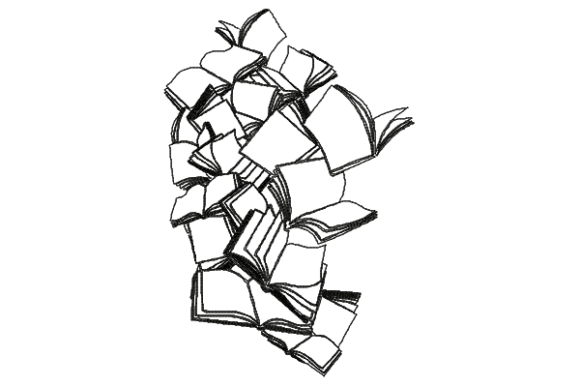
From a visual standpoint, Books Line strikes a balance between classic elegance and modern simplicity. The title itself evokes a sense of knowledge, storytelling, and creativity, which makes it an exceptionally strong candidate for businesses rooted in education, literature, or creative arts. Unlike overly ornate designs that can look cluttered when scaled down, this design appears to offer clean lines and a friendly personality.
For a boutique owner or a handmade brand, the "friendly" aspect is crucial. It suggests that the brand is accessible and welcoming. Whether you are running a local café with a cozy atmosphere, a florist shop that values tradition, or a pet brand with a playful vibe, Books Line offers a versatile foundation. It feels premium enough to be used on high-end tote bags yet simple enough to work as a subtle accent on a child's school outfit. This duality is rare in the world of digital embroidery files, making it a valuable addition to any library of design assets.
Real-World Application: From Patches to Product Labels
The true test of any embroidery file lies in its performance across different mediums. In my review of Books Line, I have identified several key areas where this design could drive significant value for small business owners and Etsy sellers.
- Custom Apparel and Staff Uniforms: Imagine a team of baristas at a coffee shop wearing aprons embroidered with Books Line. The design would serve as a perfect chest logo accent, projecting a professional image while maintaining a touch of warmth. It works equally well on work shirts for bakery staff or creative studios looking to unify their team identity.
- Embroidered Patches: For brands that rely on sew-on patches, this design is a standout. Its structure appears robust enough to withstand the rigors of application without losing definition. A patch featuring Books Line on the sleeve of a denim jacket or the back of a cap can instantly elevate the perceived value of the garment.
- Tote Bag Design and Branded Accessories: Tote bags are a staple of marketing for craft businesses. A Books Line motif on a canvas bag serves as both a functional item and a walking billboard. The design's clarity ensures it looks sharp whether printed on a light cotton canvas or a dark recycled fabric.
- Product Packaging Accents: Adding a small embroidered detail to product packaging, such as a gift box tag or a dust bag for jewelry, creates a tactile experience that customers love. Books Line fits perfectly here as a decorative element that signals quality and attention to detail.
This versatility extends to the Back To School category as well. A stationery brand or a school supply store could use this design on backpacks, pencil cases, or student planners. It bridges the gap between educational utility and stylish branding, appealing to students and parents alike.
Strategic Considerations and Limitations
While Books Line shows great promise, an experienced designer knows that success depends on knowing where to apply caution. Not every surface is suitable for every design, and understanding these nuances is vital for protecting your brand reputation.
One area requiring careful evaluation is small patch sizes. If you intend to create miniature logos for items like pen clips or keychains, you must verify the stitch density of the original file. Designs with intricate details can sometimes blur together when reduced below a certain threshold, leading to a muddy appearance. Similarly, applying this design to the front of a curved cap requires a specific hoop size and stabilizer technique to ensure the curvature of the hat does not distort the lettering.
Fabric texture also plays a critical role. While Books Line likely performs beautifully on smooth fabrics like twill or poplin, textured materials such as heavy wool or loose-weave linen might cause the stitches to sink or appear uneven. Additionally, for items that require frequent washing, such as aprons or children's clothing, you must ensure the thread colors used provide sufficient contrast against the fabric to maintain legibility over time.
Impact on Brand Identity and Customer Trust
In the competitive landscape of small business merch, visual consistency is everything. Customers subconsciously associate the quality of your embroidery with the quality of your products. A sloppy or poorly executed design can undermine trust, whereas a crisp, well-placed Books Line design reinforces professionalism.
When a customer sees a cohesive brand identity across their tote bag, their custom apparel, and their product labels, it creates a sense of reliability. Books Line, with its readable and elegant nature, supports a narrative of care and craftsmanship. This emotional connection drives buyer engagement and encourages repeat purchases. It transforms a simple commodity into a memorable brand experience.
Practical Designer Notes for Production
Before committing to a large production run, I strongly advise following these practical steps to ensure the best results with the Books Line design:
- Test in Black and White: Convert the design to a monochrome view first to check if the spacing and outlines remain distinct without the distraction of color.
- Check Stitch Density: Review the file to ensure the stitch density is appropriate for the intended fabric. Too much density can cause puckering, while too little can leave gaps.
- Verify Thread Color Contrast: Select thread colors that pop against your target fabric. High contrast ensures the design is legible from a distance.
- Inspect Spacing and Hoop Size: Confirm that the design fits within your standard hoop size for the specific item (cap, vest, or shirt) to avoid alignment issues.
- Use Proper Stabilizer: Always match the stabilizer type (cut-away, tear-away, or wash-away) to the fabric weight to prevent distortion during and after stitching.
- Create a Printable Mockup: Before cutting fabric, generate a printable mockup for client approval. This allows stakeholders to visualize the final product and catch any potential issues early.
- Compare Against Other Assets: Place Books Line beside your other design assets to ensure it aligns with your overall brand style guide.
- Confirm Commercial Licensing: Most importantly, verify the commercial licensing terms of the digital embroidery file. Ensure you have the right to sell finished goods featuring this design.
By treating the Books Line design with the same rigor as a custom commission, you can leverage its unique character to enhance your brand's visibility. Whether you are creating a finished product for a local market or scaling up for an online store, this design offers a solid foundation for building a recognizable and trusted brand identity.