Rose Font E: A Designer's Review for Craft Fairs
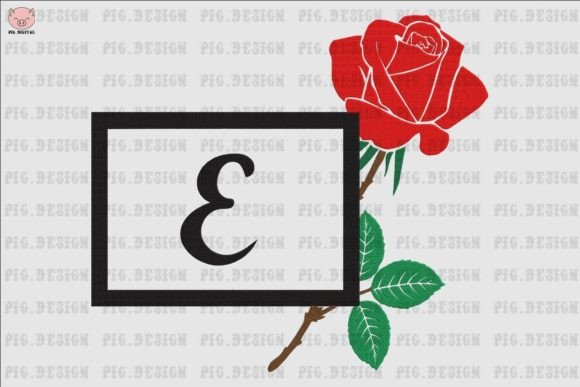
As an experienced embroidery designer who has spent years turning digital files into tangible, sellable goods, I know that the difference between a design that sits in a folder and one that clears a craft fair table often comes down to one thing: versatility. When I first laid eyes on the Rose Font E machine embroidery design, my mind immediately went to the upcoming weekend market. I started visualizing exactly how this file would perform on the specific items I plan to display, from aprons to tote bags. This review is not just about aesthetics; it is a practical judgment call on whether Rose Font E has the commercial punch needed for handmade product lines.
The First Impression: Visual Appeal and Market Fit
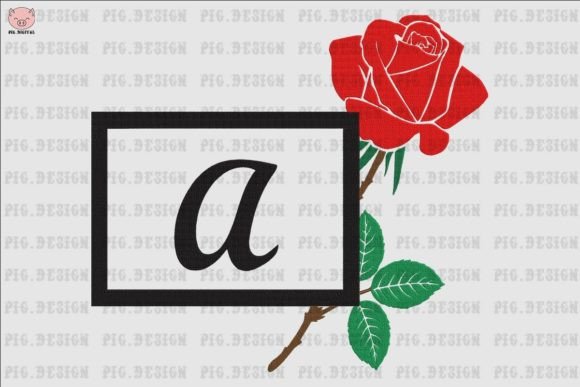
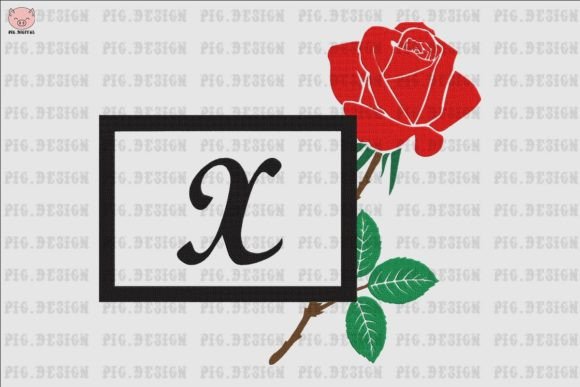
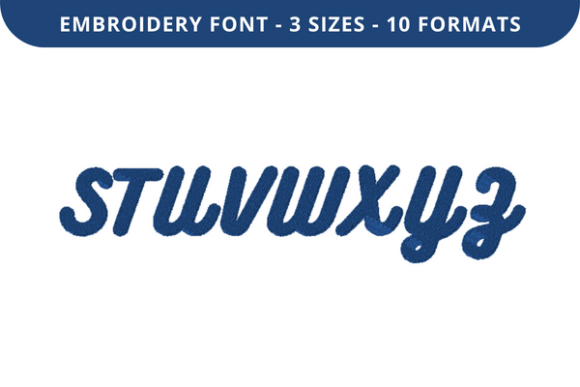
The title alone suggests something romantic and soft, yet the description hints at functionality. Based on the name "Rose Font E," I anticipate a style that balances elegance with approachability. It feels like a font that could easily transition from a delicate farmhouse aesthetic to a chic boutique look. For a craft fair booth, this is crucial because you need a design that appeals to a wide demographic without feeling too niche or overly trendy.
When I imagine this design as a focal point, it feels decorative enough to draw attention but minimal enough to remain legible from a distance. The promise of it looking nice on clothes and home decor suggests it is a versatile asset for any creative entrepreneur. Whether you are an Etsy seller looking to refresh your shop or a boutique maker building a collection, Rose Font E has the potential to be a staple design asset. It strikes a balance that screams "handmade quality" without requiring excessive labor to produce.
Product Potential: Where Rose Font E Shines
In the real-world scenario of setting up a booth display, every item needs to tell a story. Here is how I see Rose Font E performing across various high-demand categories:
- Tote Bag Design: Tote bags are the bread and butter of the craft fair. A large, centered application of Rose Font E on a canvas bag creates an instant statement piece. However, it also works beautifully as a small accent near the strap, offering a subtle touch of personality that customers love.
- Apron Embroidery: Kitchen aprons are excellent gift items. The font's likely soft curves would complement the rustic charm of linen or cotton aprons perfectly. It transforms a standard utility item into a premium commercial embroidery product suitable for gifting.
- Tea Towel Embroidery: Home decor is huge right now. On a tea towel, this design acts as a beautiful border or a central monogram. It adds value to a simple kitchen essential, making it feel like a special occasion item rather than just a cleaning cloth.
- Embroidered Patch: If you are selling patches, Rose Font E offers a great opportunity for variety. You can create sets of matching patches for different products, creating a cohesive brand identity for your booth.
- Small Pouches and Pillow Covers: These smaller items allow for quicker production times. Using this design on a small fabric pouch makes for an affordable impulse buy, while on a pillow cover, it elevates the perceived value of the finished product.
- Caps and Market Bags: Curved surfaces like caps require fonts with good clarity. If Rose Font E maintains its shape when curved, it will be a standout item for customers looking for personalized headwear.
Practical Selling and Production Points
From a business perspective, efficiency is key. One of the biggest questions I ask before adding a new embroidery file to my production queue is: How easy is this to reproduce in batches? Rose Font E appears to be highly repeatable. Its clean lines suggest it will stitch out consistently, which is vital for maintaining brand consistency across dozens of units.
Photography is another critical factor for online listings and social media marketing. A design that photographs well translates directly to sales. Because Rose Font E seems to have a distinct character, it should render beautifully in printable mockups, allowing you to showcase the product even before you stitch it. Customers buying from an Etsy seller or a handmade shop rely heavily on these images to gauge quality. A design that looks crisp in a photo builds trust immediately.
Furthermore, this design fits perfectly into the "Back To School" category if styled correctly. Imagine embroidered pencil cases or backpack tags featuring this font. It adds a personal touch that mass-produced school supplies simply cannot match. Whether you are targeting students, parents, or teachers, Rose Font E offers a way to connect emotionally with the buyer through a shared appreciation for handmade details.
Real-World Constraints and Careful Use Notes
While the potential is high, we must address the technical realities of machine embroidery. No design is perfect for every situation, and understanding the limitations of Rose Font E is part of being a professional.
Stitch Density and Small Details: If the design contains very fine serifs or intricate flourishes, it might lose clarity if stitched too small. I would advise against shrinking it below a certain size threshold, especially on textured fabrics like thick towels or denim. Tiny details can get lost in the weave of the material, resulting in a muddy appearance.
Fabric Texture and Contrast: The success of this design relies heavily on thread colors. On dark fabric, you will need a high-density underlay or a light-colored thread base to ensure the letters pop. Conversely, on light fabrics, a darker thread provides the necessary contrast. Always test the thread colors against your chosen fabric texture before committing to a full run.
Hoop Size and Stabilizer: Ensure you have the correct hoop size for the dimensions of the design. If the design is large, you may need multiple hooping sessions or a larger frame. Equally important is using the right stabilizer. Without proper support, the tension of the stitches could pucker the fabric, ruining the finished product.
Designer's Checklist for Success
Before I take Rose Font E to the market, here is my non-negotiable checklist for ensuring a successful launch:
- Test on Scrap Fabric: Never go straight to the final product. Stitch the design on scrap material that matches the weight and texture of your actual inventory.
- Review Spacing: Check the spacing between letters. Tight kerning can cause threads to clash, while loose spacing can make the design look disjointed.
- Inspect Stitch Density: Look closely at dense areas. Are there gaps? Is the fabric visible underneath? Adjusting density settings might be necessary.
- Create Real Mockups: Don't rely solely on digital renders. Create at least one physical sample to photograph for your digital embroidery file listing or booth display.
- Confirm Commercial Licensing: Before selling finished products, verify that your license allows for commercial use. This protects your small shop product line from legal issues.
In conclusion, Rose Font E feels like a strong contender for a craft fair vendor's toolkit. It possesses the visual appeal to attract customers and the practicality to allow for efficient production. By understanding its strengths and respecting its limitations regarding fabric and size, you can turn this single design into a profitable line of handmade gifts and decor. It is the kind of design that says "crafted with care," which is exactly what buyers are looking for today.