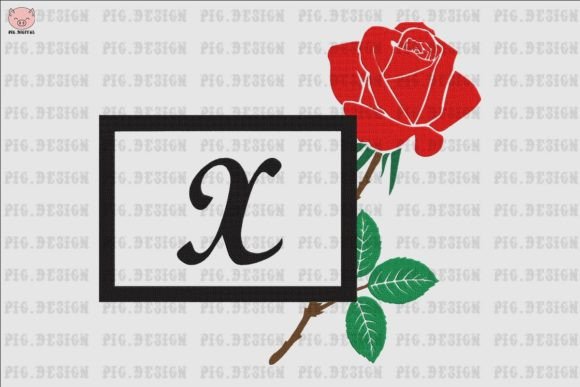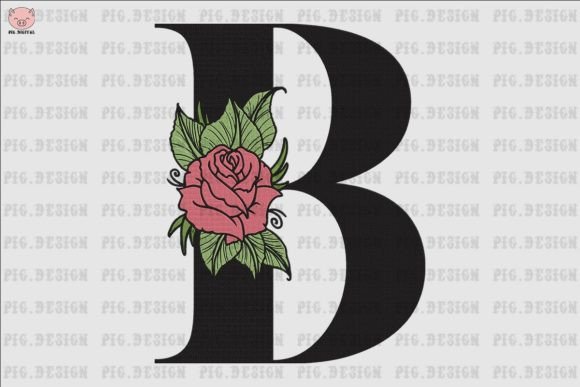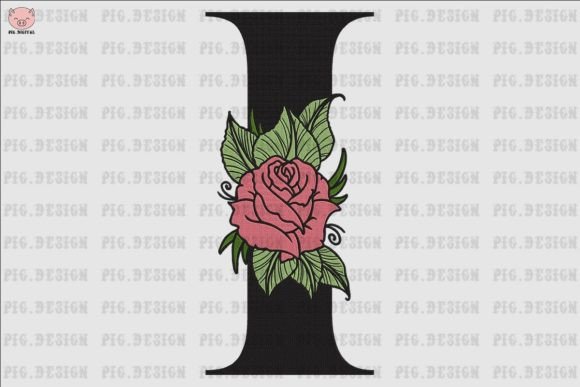
Rose Font a: A Designer's Review for Craft Fair Success
As an experienced embroidery designer who spends countless hours curating designs for weekend craft fairs and handmade markets, I know that the difference between a product that sits on a table and one that sells out in an hour often comes down to font choice. Today, I am reviewing Rose Font a, a machine embroidery design described as the perfect way to decorate beautiful projects. My goal is to evaluate whether this digital asset has the potential to become a best-selling item for boutique makers, Etsy sellers, and creative entrepreneurs looking to elevate their booth displays.
The First Impression: Visual Appeal and Mood
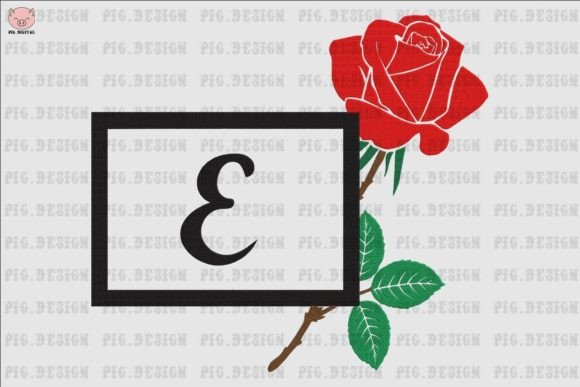
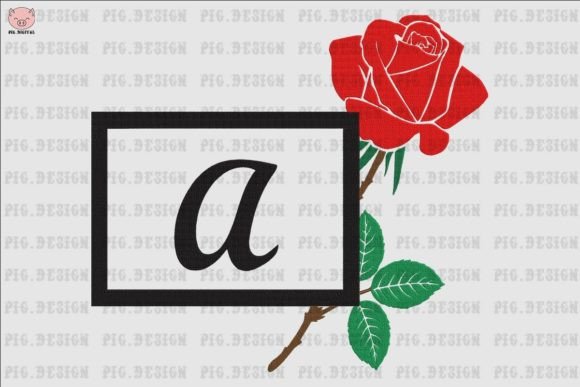
When you first look at the title "Rose Font a," it immediately suggests something feminine, soft, and perhaps slightly vintage or romantic. The description mentions it looks nice on clothes, home decor, and birthday gifts, which paints a picture of versatility. In my experience, fonts with names like this often lean towards elegant, decorative, or farmhouse styles rather than bold, modern minimalism. For a craft fair environment where customers are scanning tables quickly, a design that feels premium and handcrafted is essential.
I imagine Rose Font a having a delicate structure that draws the eye in without shouting. It likely possesses a charm that fits perfectly into the "Back To School" category if used for personalized stationery or teacher gifts, but its primary strength lies in its ability to add a touch of warmth to any handmade product. If the letterforms are clean enough, they will photograph beautifully for online listings, creating a strong visual hook for potential buyers scrolling through Etsy or social media feeds.
Where Rose Font a Shines: Product Applications
To determine the true value of this embroidery file, we must test it against real-world products. Here is how I see Rose Font a performing across various high-demand items:
- Tote Bag Design: This is arguably the most popular craft fair product. Rose Font a would work exceptionally well as a centered focal point on canvas tote bags. The elegance of the font contrasts nicely with the rugged texture of canvas, making it feel like a thoughtful gift rather than mass-produced merchandise.
- Apron Embroidery: For kitchen-themed booths or home decor sections, placing this design on a linen apron adds a personal touch. It transforms a utilitarian item into a cherished keepsake, perfect for birthdays or housewarmings.
- Tea Towel Embroidery: Similar to aprons, tea towels benefit from clear, readable text. If Rose Font a maintains clarity at a medium size, it becomes a staple for kitchen collections.
- Embroidered Patch: Many small shop owners use patches to sell accessories. If the design allows for a neat border, it could be converted into a high-value patch for jackets or bags.
- Caps and Fabric Pouches: For smaller items like caps or makeup pouches, the legibility of the font is critical. If the letters are too thin or intricate, they might get lost on a curved cap surface or a tiny zipper pouch.
- Pillow Covers and Market Bags: These larger surfaces allow for more dramatic presentation. Rose Font a can serve as a large statement piece here, anchoring the design of the entire pillow cover.
Practical Selling and Production Points
From a production standpoint, a successful craft fair product must be repeatable. Can you stitch this design twenty times in an hour without losing quality? Rose Font a needs to be evaluated for its efficiency. If the design is dense with heavy stitching, it may slow down your production line, increasing costs and reducing profit margins. However, if it is a clean, open design, it allows for rapid batch production, which is vital for stocking a booth for a full weekend.
Photography is another crucial factor. When setting up your booth display, you want products that catch the light. A design with good contrast and clear lines will stand out in photos used for printable mockups and Etsy listings. Customers cannot touch the fabric before buying online; they rely on images to judge the quality. Rose Font a must look crisp in a JPEG to drive sales.
For commercial embroidery businesses, consistency is key. Does the font feel like a cohesive part of a brand identity? If you plan to sell a series of "Back To School" items, does this font match the aesthetic of your other designs? It should feel like a natural extension of your shop's style, reinforcing brand consistency and building trust with your buyer base.
Real-World Challenges and Careful Use Notes
Not every font works on every fabric. As a designer, I always warn clients to be cautious with certain elements. If Rose Font a contains tiny details or very thin strokes, it risks losing clarity when stitched on textured towels or thick denim. On dark fabrics, thread contrast becomes a major issue; a light-colored font might disappear unless a specific underlay or contrasting thread color is used effectively.
Another common pitfall is the hoop size. If the design is intended to be small but requires a large hoop to capture the full lettering, it can be awkward to stitch on small items like caps or pouches. Additionally, dense stitch areas can cause puckering if the wrong stabilizer is used. You must ensure that the design files are optimized so that the stitches lay flat and do not distort the fabric texture.
If the lettering is extremely small, it may not read well from a distance on a busy craft fair table. Customers need to be able to read the text from three feet away. If Rose Font a is designed for micro-details, it might be better suited for close-up viewing on items like jewelry boxes or small gift tags rather than large signage.
Designer's Checklist for Success
Before you commit to producing inventory for your next market, follow these professional steps to ensure Rose Font a delivers the results you expect:
- Test on Scrap Fabric: Never run a full production batch without a test run. Stitch the design on scrap pieces of the actual fabric you intend to sell to check for tension and pull.
- Check Thread Contrast: Ensure the thread colors chosen make the text pop against the background fabric. Good contrast equals better sales.
- Review Spacing: Verify that the kerning (spacing between letters) is appropriate. Tight spacing can make the design look messy, while loose spacing can look unprofessional.
- Confirm Hoop Size: Make sure the design dimensions fit your standard hoops. If the design is too large for your equipment, you may need to split it or adjust the scale.
- Inspect Stitch Density: Look at the density settings. Too much thread can make the fabric stiff and uncomfortable, while too little can leave gaps in the image.
- Use the Right Stabilizer: Match the stabilizer type (cut-away, tear-away, or water-soluble) to the fabric weight and the project type.
- Create Real Mockups: Do not rely solely on digital previews. Create at least one physical sample to show customers the true texture and quality of the finished product.
- Compare Fabric Colors: Test the design on multiple fabric shades to see how it performs on both light and dark materials.
- Confirm Commercial Licensing: Before selling finished products, double-check the license terms of the digital embroidery file to ensure you have the right to resell items made with Rose Font a.
In conclusion, Rose Font a appears to be a versatile addition to any embroidery designer's toolkit. Its potential to enhance tote bags, aprons, and home decor makes it a strong candidate for handmade product lines. By paying attention to production details and testing thoroughly, you can turn this digital asset into a profitable reality for your craft fair booth or online store. Whether you are a seasoned Etsy seller or a new creative entrepreneur, taking the time to evaluate the practicalities of the design ensures that your final product meets the high standards your customers expect.