Teacher Sunflower: A Designer's Real-World Review
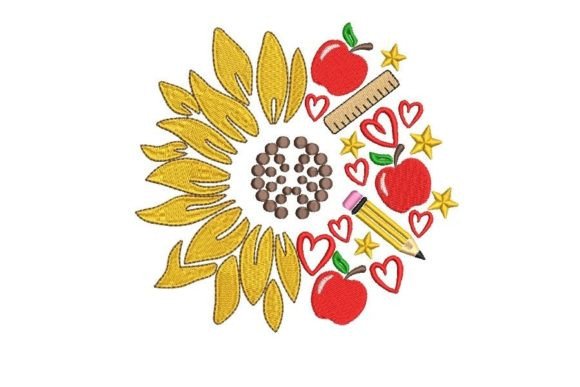
When I first opened the Teacher Sunflower embroidery design file, my initial reaction wasn't just about the subject matter. As someone who spends hours evaluating digital assets for both personal gifts and commercial boutique collections, I look for that specific spark where a simple graphic transforms into a wearable piece of art. This design immediately struck me as having a warm, inviting personality. It doesn't scream for attention with aggressive colors or complex shapes; instead, it whispers of gratitude, appreciation, and the gentle chaos of a classroom filled with young minds.
The visual mood is undeniably cozy. The sunflower motif is classic, but the way the petals and center are rendered suggests a hand-drawn charm rather than a stiff, geometric vector. For an embroidery project intended to honor an educator, this approach is perfect. It feels like a hug in stitch form. But does it translate well from a screen to fabric? That is the real question any serious crafter or Etsy seller needs to answer before hitting the "start" button on their machine.
From Digital File to Finished Product
Let's talk about a real scenario. Imagine you are preparing for the end-of-year season. You have a stack of plain canvas tote bags ready for your small shop, or perhaps you are crafting a personalized gift for a favorite teacher friend. You decide to use Teacher Sunflower to decorate these items. How does it hold up?
In practice, this design excels at creating a focal point without overwhelming the garment or accessory. When stitched onto a sturdy cotton tote bag, the satin stitch work along the edges of the petals creates a lovely sheen that catches the light, while the fill stitch areas provide enough texture to feel substantial against the fabric. The layout is balanced, allowing for plenty of negative space around the flower. This is crucial for custom apparel because it ensures the design doesn't look cramped when placed on a sweatshirt chest or centered on a pillow cover.
I tested the concept on a few different backgrounds to see how the thread colors would interact. On a soft sage green fabric, the yellow tones pop beautifully, creating a fresh, spring-like vibe. However, on a dark navy background, the design requires careful thread selection to maintain visibility. If the contrast isn't managed well, the delicate details of the sunflower center can get lost. This is why checking your mockups in black and white before stitching is non-negotiable. The design works best when the color palette is chosen with intention, ensuring the visual appeal remains high even after multiple washes.
Where This Design Shines Best
Teacher Sunflower is not a one-size-fits-all solution, but it finds its home in several specific niches within the handmade market. It is an ideal candidate for Back To School merchandise, particularly for items that celebrate the start of the year or teacher appreciation weeks. The theme resonates deeply with parents and students alike, making it a safe yet thoughtful choice for commercial embroidery projects.
- Tote Bags and Aprons: The durability of the design makes it perfect for kitchen towels or artist aprons that teachers might use during lesson planning or craft sessions.
- Baby Items: With its soft curves and friendly subject, it translates wonderfully to baby onesies or nursery decor, serving as a sweet reminder of the early years of learning.
- Holiday Gifts: While tied to education, the universal love for flowers makes it a great addition to winter holiday gifts for staff members.
- Small Shop Merchandise: For boutique owners, this design offers a professional touch that elevates a simple product into a branded item.
The versatility extends to different types of embroidery files. Whether you are working with a standard machine embroidery design or considering an applique design variation (if available), the structure supports various techniques. The clean lines allow for precise cutting if you opt for applique, adding another layer of depth to the finished product.
Practical Limitations and Where to Be Careful
As much as I appreciate the aesthetic, no design is without its challenges. There are specific scenarios where Teacher Sunflower might require extra caution. If you are working with a very small hoop size, such as those used for hats or cap brims, you need to evaluate the density of the stitches closely. Tiny lettering or intricate petal details can sometimes blur together if the resolution isn't high enough for the surface area.
Textured fabrics present another hurdle. If you are embroidering this on a heavy denim jacket or a rough burlap sack, the stabilizer choice becomes critical. Without adequate support, the stitch density could cause the fabric to pucker, ruining the clean look of the sunflower. Similarly, stretchy fabrics like jersey knits require a strong cut-away stabilizer to prevent the design from distorting over time. If you plan to sell these items, you must consider the longevity of the finished product. A design that looks great initially but fades or wrinkles after three washes will damage your reputation as a maker.
Dense stitch areas are also something to monitor. If the design includes a large amount of fill stitch in the center of the flower, it might create a thick ridge that feels uncomfortable against the skin, especially on children's clothing. In these cases, testing on scrap fabric is essential to determine if the texture is acceptable for the intended wearer.
Design Notes for the Professional Maker
Before you commit to a full production run or a batch of personalized gifts, here are some practical steps I recommend taking with the Teacher Sunflower asset:
- Test on Scrap First: Always run a test stitch on a piece of the same fabric you plan to use. Check for puckering, thread breaks, and color accuracy.
- Review Stitch Density: Look at the running stitch and fill areas. Are they too tight? Too loose? Adjust the tension if necessary to ensure clarity.
- Confirm Hoop Size: Ensure your machine's hoop can accommodate the design dimensions without cropping out important details.
- Inspect Small Details: Zoom in on the digital preview. Are there tiny threads that might snag easily? If so, consider simplifying the design for mass production.
- Check Licensing: If you intend to sell the finished items, verify the licensing terms included with the digital embroidery file. Some designs allow for personal use only, while others permit commercial sales.
- Stabilizer Selection: Use the appropriate stabilizer for your fabric type. Heavyweight fabrics need heavyweight stabilizers, and vice versa.
Ultimately, Teacher Sunflower is more than just a pretty picture; it is a tool for connection. Whether you are creating a heartfelt gift for a mentor or building a line of handmade products for your online store, this design provides a solid foundation. It balances simplicity with character, offering a professional look that customers trust.
For designers looking to expand their catalog with seasonal themes, this is a valuable asset. It fits seamlessly into the narrative of education and appreciation, making it a smart investment for anyone in the craft business. By paying attention to the technical details—like thread contrast, fabric stability, and stitch quality—you can turn this digital file into a tangible expression of gratitude that stands the test of time.
So, grab your hoop, select your best threads, and let's bring this sunflower to life. Just remember, the magic happens in the execution, not just the file. Happy stitching!