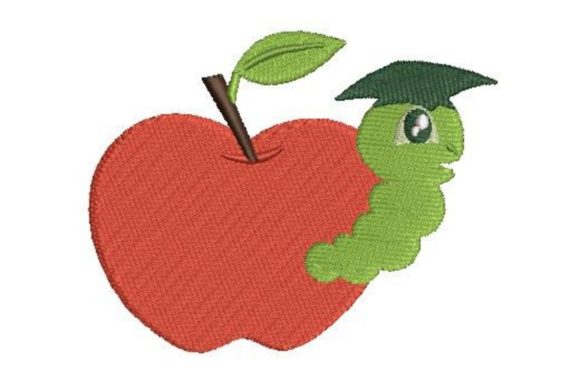
School Apple: A Designer's Review for Personalized Gifts
As an experienced embroidery designer who spends countless hours testing new files before adding them to my own shop, I recently had the opportunity to evaluate a design titled School Apple. My goal was simple: determine if this specific machine embroidery design could serve as a reliable centerpiece for a personalized gift collection. Whether you are an Etsy seller looking to expand your Back To School inventory or a small business owner creating custom baby products, the decision to purchase a digital file requires more than just a quick glance at the thumbnail. It demands a practical review of how the design translates from a screen to a finished product.
The first impression of School Apple is undeniably sweet and nostalgic. There is an immediate emotional appeal that resonates with parents, teachers, and anyone who loves handmade decor. The charm lies in its simplicity; it feels playful yet elegant enough to grace a nursery or a wedding keepsake box. When I first opened the embroidery file on my software, the mood felt classic rather than trendy, suggesting it will have a long lifespan in a customer's home. This timeless quality is exactly what makes a design suitable for high-value items like embroidered towels, pillow covers, or aprons where the buyer wants something they won't tire of seeing.
Real-World Application in Gift Products
In my recent project planning, I imagined placing School Apple on various substrates to see how it would perform as a finished product. For a baby blanket, the design offers a gentle focal point that doesn't overwhelm the soft fabric. It works beautifully as a central motif on a white or cream-colored muslin, instantly elevating a standard gift into a cherished memory. Similarly, on a kitchen towel, the apple shape adds a touch of whimsy to a functional item, making it perfect for housewarming gifts or bridal showers.
I also considered the potential for tote bags and custom aprons. The design's clean lines suggest it would stitch well on canvas or cotton twill, creating a durable stamped look that appeals to craft fair customers. For a nursery item, such as a pillow cover, the applique style mentioned in the product description promises a textured, dimensional finish that looks even more premium than standard satin stitching. This versatility means that one single embroidery file can support multiple product lines, from baby products to wedding gifts, maximizing your return on investment.
Who Is the Ideal Customer?
When analyzing the market fit for School Apple, the target audience becomes clear. The primary buyers are likely mothers looking for meaningful back-to-school accessories, but the appeal extends far beyond September. Teachers often seek unique classroom decorations, and grandparents might order a set of matching towels for their grandchildren. The design bridges the gap between seasonal trends and everyday utility.
For digital product sellers, this design represents a low-risk, high-reward addition to a catalog. It allows you to create printable mockups that show the design on different backgrounds, helping potential buyers visualize the final result. The emotional connection created by a cute apple motif can significantly boost buyer engagement, as people are drawn to designs that evoke feelings of care and education. Whether you are selling physical goods or offering custom embroidery services, having a design like School Apple gives you a versatile tool to meet customer demands.
Strategic Placement and Fabric Considerations
While the design is charming, a professional must exercise caution regarding where and how it is applied. Not every fabric texture is suitable for every stitch type. If you plan to use School Apple on thick towels or heavily textured fabrics, you may find that the details get lost in the pile. In these cases, the design might need resizing or additional stabilizer to ensure the stitches sit flat and crisp.
Delicate details are another area requiring careful attention. If the design includes small lettering or intricate outlines, testing on scrap fabric is non-negotiable. Stretchy baby clothes, such as onesies or leggings, present a unique challenge. Without proper stabilization, the tension of the machine can distort the fabric, causing the apple to pucker or warp. Curved surfaces, like the rounded body of a water bottle or a hat brim, also demand precise hoop placement to avoid distortion.
Dark fabrics require special consideration regarding thread colors. You must ensure there is sufficient contrast so the design remains visible and vibrant. If the thread colors chosen do not pop against the background, the perceived value of the personalized gift drops significantly. Furthermore, for products that will undergo frequent washing, such as kitchen linens or school uniforms, the stitch density must be robust enough to withstand wear without fraying. Always verify the recommended wash instructions for the specific thread types you intend to use.
Practical Embroidery Notes for Success
To guarantee a professional outcome when using School Apple, I recommend following a strict workflow before running any commercial orders. First, always test on scrap fabric that matches the weight and texture of your final product. This step reveals potential issues with thread tension or stabilizer choice that cannot be seen on a computer screen.
Check your thread color contrast carefully. Sometimes a color that looks perfect on a monitor appears dull once stitched. Confirm your hoop size is appropriate for the design dimensions to prevent unnecessary trimming or shifting during the run. Review the stitch density within the file; if the design is too dense for lightweight fabric, it may become stiff and uncomfortable, particularly for baby clothing.
Using the proper stabilizer is critical. Heavier designs often require cut-away stabilizers for durability, while lighter projects might only need tear-away. Compare light and dark fabric mockups side-by-side to ensure the design maintains its integrity across different color palettes. After stitching, inspect the small details closely to ensure no threads are broken or skipped. Finally, before selling finished products, confirm the commercial licensing terms associated with the file. Understanding the legal boundaries of your digital embroidery file protects your business and ensures you are operating ethically.
Elevating Your Handmade Product Line
Ultimately, the success of a product like School Apple depends on how well it integrates into your brand story. A well-executed design enhances the perceived value of your work, signaling to customers that you care about quality and detail. When a buyer receives a handmade product with a crisp, centered, and colorful apple motif, they feel confident in their purchase and are more likely to leave positive reviews.
This design has the power to transform a simple item into a treasured keepsake. Imagine a mother opening a package containing a baby blanket adorned with School Apple; the emotional impact is immediate. It tells a story of preparation, love, and anticipation. By selecting designs that resonate emotionally and performing thorough technical checks, you build trust with your clientele. Whether you are creating custom embroidery for weddings, crafting small shop products for holidays, or designing nursery decor, School Apple stands out as a versatile and effective choice for enhancing your portfolio.
Remember that the difference between a good listing and a great one often comes down to the quality of the execution. Take the time to understand the nuances of your machine embroidery design, respect the limitations of your materials, and prioritize the customer experience. With the right approach, School Apple can become a staple in your collection, driving sales and delighting customers with its timeless charm.