Pencil Case in the Hoop: A Designer's Review
As an experienced embroidery designer who spends weekends setting up booths for craft fairs and managing a handmade shop, I know that the difference between a design that gathers dust and one that sells out lies in its practicality and visual impact. When I first encountered the Pencil Case in the Hoop design, my immediate thought was not just about the stitch count or the file format, but how it would sit on a crowded table alongside embroidered tote bags, aprons, tea towels, patches, caps, small pouches, pillow covers, and giftable handmade items. This review breaks down exactly where this design fits in the world of commercial embroidery and why it could be a standout product for your next market.
First Impressions and Visual Appeal
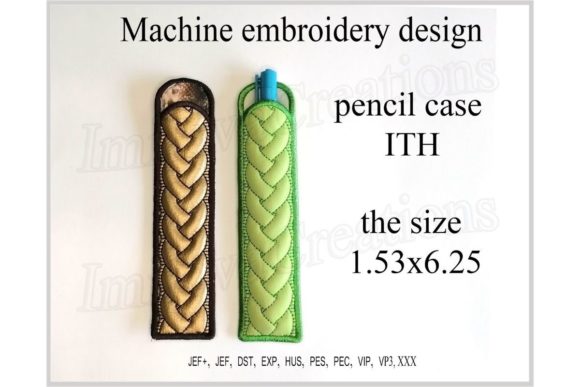
The title Pencil Case in the Hoop suggests something functional yet playful, which is a winning combination for back-to-school season. The description highlights that you can make your kids happy by creating a beautiful accessory, which immediately signals a strong emotional hook for parents and gift buyers. From a design perspective, this feels like a versatile piece that can lean into various aesthetics depending on your thread choices. It has the potential to be cute and modern, or soft and minimal, making it adaptable for different brand identities.
In a booth display, customers often judge products within seconds. A pencil case offers a unique advantage because it is a three-dimensional object that stands upright or sits open, unlike a flat towel or a folded apron. This physical presence draws the eye. If the design features bold colors, it acts as a focal point; if it uses subtle tones, it exudes elegance. The fact that it comes in multiple sizes is a significant selling point, allowing you to create a range of handmade products from small accent pieces to larger statement items.
Performance Across Product Categories
When evaluating Pencil Case in the Hoop for production, we must look at how it translates across different categories. As a tote bag design, it might feel too small unless placed strategically, but on a dedicated pencil case, it becomes the star of the show. Similarly, while apron embroidery often requires larger motifs, this design works beautifully as a smaller accent on a pocket or a child-sized apron.
For tea towel embroidery, the design could work well as a decorative element, though the shape of the towel might compete with the pencil case form factor. However, the real strength of this design lies in its versatility as a commercial embroidery item. It functions perfectly as a standalone embroidered patch if you choose to cut it out, or as a finished good ready for gifting. For Etsy sellers and boutique makers, the ability to offer this as a quick tutorial project adds value, as customers love seeing the process behind the finished product.
Production Practicality and Batch Making
One of the most critical factors for a successful crafter fair product is repeatability. Can you produce ten units in an hour without frustration? The mention of a quick tutorial attached suggests that the digitization is likely optimized for speed. For a small shop product, efficiency is key. If the stitch density is balanced correctly, the machine will run smoothly, preventing skipped stitches or fabric puckering that can ruin a sale.
The design also photographs exceptionally well for online listings. A pencil case allows for dynamic angles—showing the inside, the outside, and the zipper closure—which helps create high-quality printable mockups. This visual storytelling is essential for converting browsers into buyers. Furthermore, because it comes in multiple sizes, you can test which dimension resonates best with your audience before committing to a large batch run.
Careful Use Notes and Potential Pitfalls
Even the best machine embroidery design requires careful execution. You must be mindful of dense stitch areas, especially if the design includes intricate details. Tiny details can sometimes get lost if the hoop size is too small or if the fabric texture is too coarse. Thick fabrics, such as heavy canvas or textured towels, may not hold fine lines well, leading to a loss of clarity.
Additionally, dark fabrics require specific considerations regarding thread contrast and underlay. If the design relies on light threads against a dark background, ensure the stabilizer provides enough support to prevent the fabric from pulling. Designs that lose clarity at smaller sizes should be avoided for the smallest variations of this product. Always inspect the design assets closely to ensure that lettering, if present, remains legible after stitching.
Designer's Checklist for Success
To ensure Pencil Case in the Hoop delivers on its promise, follow these practical steps before hitting the production line:
- Test on Scrap Fabric: Never skip this step. Run the design on a scrap piece of the same material you plan to use for the final product to check for tension issues.
- Check Thread Contrast: Ensure the chosen thread colors pop against the base fabric. Good contrast is vital for catching a customer's eye in a busy booth.
- Review Spacing and Hoop Size: Confirm that the design fits comfortably within your available hoop size without cutting off edges.
- Inspect Stitch Density: High density can cause stiff fabric, so verify that the design feels soft and flexible once completed.
- Use the Right Stabilizer: Select a stabilizer that matches the weight and stretch of your fabric to maintain the integrity of the embroidery file.
- Create Real Mockups: Produce at least one physical sample to photograph. Digital images alone cannot convey the texture and quality of the stitching.
- Compare Fabric Colors: Test the design on various fabric shades to see which ones enhance the design's mood.
- Confirm Commercial Licensing: Before selling any digital embroidery file or finished goods, double-check the license terms to ensure you are permitted to sell the finished product.
Final Verdict for Craft Fair Sellers
The Pencil Case in the Hoop design has all the makings of a crowd-pleaser. It taps into the Back To School market with a functional item that doubles as a creative expression. For embroidery business owners, it offers a manageable entry point for new customers who want something more personal than a generic store-bought item. Its adaptability allows it to shine as a handmade gift or a practical addition to a student's supplies.
By paying attention to the nuances of production—from stabilizer selection to color matching—you can elevate this design from a simple digital file to a premium craft fair product. Whether you are a seasoned Etsy seller or a creative entrepreneur looking to expand your inventory, this design deserves a spot on your list of top contenders. With the right execution, it will not only stand out on your table but also become a favorite among your customers.