Letter B Design Review for Craft Fair Success
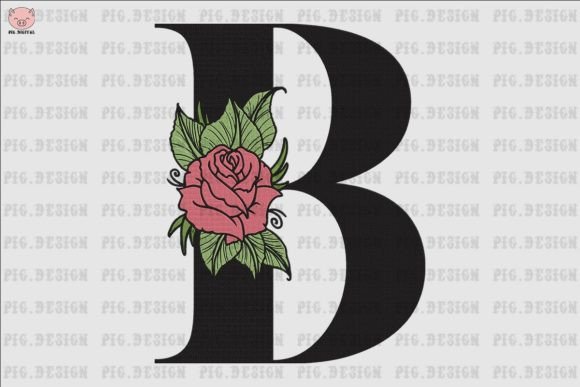
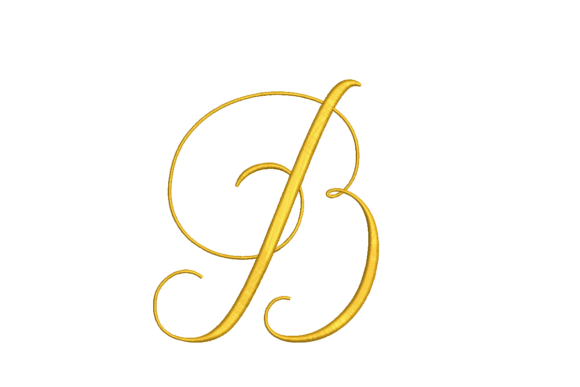
Letter B Design is more than just a simple initial; it is a versatile asset ready to transform your craft fair booth into a destination for handmade lovers. As an experienced embroidery designer who has spent countless weekends curating displays and analyzing what moves inventory, I am looking at this specific design with one goal in mind: commercial viability. The description promises a "cool Alphabet" that evokes high school nostalgia while offering fresh, stylish possibilities. This review breaks down exactly how Letter B Design performs when applied to real-world products like tote bags, aprons, and market accessories.
The First Impression: Nostalgia Meets Modern Style
When you first look at the preview of Letter B Design, the vibe is undeniably retro yet clean. The prompt mentions taking you back to "high school," which suggests a font style that likely balances playful curves with structured lines. For a craft fair seller, this is a golden opportunity. Customers at weekend markets are often looking for items that feel personal but also trendy. A design that taps into nostalgia can trigger an immediate emotional connection, making the customer pause their walk through the aisle.
This isn't just a generic shape; it feels like a statement piece. Whether you are selling to students, teachers, or anyone who appreciates a bit of vintage flair, Letter B Design fits perfectly into the "modern rustic" or "farmhouse chic" categories that dominate current trends. It avoids being too stiff or corporate, leaning instead toward something approachable and fun. This aesthetic quality is crucial because, in a crowded booth, the visual appeal of the finished product is what stops a shopper in their tracks.
Product Applications: Where Letter B Design Shines
To maximize sales, you need to know where this embroidery file will perform best. Based on my experience testing designs for various handmade products, here is how Letter B Design translates across different mediums:
- Tote Bag Design: This is perhaps the highest potential item. A large, bold Letter B Design centered on a canvas tote bag creates an instant accessory. It photographs beautifully for online listings and looks substantial enough to justify a higher price point. The high-contrast nature of most lettering designs works exceptionally well against natural cotton or black canvas.
- Apron Embroidery: For the home cook or the artisan baker, placing this design on the bib of an apron adds a personalized touch. It serves as a great focal point that customers can see immediately from across the room. It transforms a basic kitchen tool into a unique gift item.
- Tea Towel Embroidery: Kitchen linens are a staple at any craft fair. Letter B Design works well here as a monogram or a standalone graphic. When paired with a solid-colored towel, the texture of the stitching catches the light, adding a premium feel to the finished product.
- Embroidered Patch: If you cut out the design and add a backing, Letter B Design becomes a wearable patch. These are excellent for upselling. You can offer them as stickers for laptop cases or sew them onto denim jackets and beanies.
- Fabric Pouches and Pillow Covers: For smaller, lower-cost items, this design acts as a perfect accent. A small pouch with the initial makes for a great impulse buy or a thoughtful hostess gift.
Practical Selling and Production Considerations
Moving from concept to cash requires practical planning. One of the biggest advantages of Letter B Design is its clarity. At a glance, it is easy to understand, which is vital for customers scanning a display table quickly. However, not all designs are created equal when it comes to production speed.
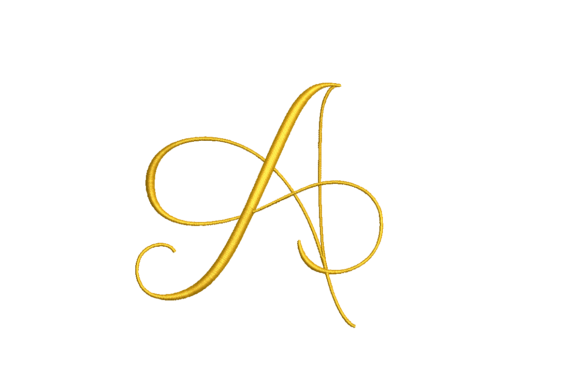
For batch production, simplicity is key. If the design is too complex, it slows down your machine and increases the risk of errors. Fortunately, alphabet designs typically stitch faster than intricate pictorial scenes. This allows you to produce multiple units of the same crafter fair product without sacrificing quality. Furthermore, because it is a single letter, it is highly repeatable. You can create a collection of "Alphabet Series" items, encouraging customers to buy multiple pieces to complete a set (e.g., buying both the 'A' and 'B' designs).
Photography for your Etsy listing or social media is another critical factor. Letter B Design offers strong visual contrast, which means it will pop in photos even if the lighting isn't perfect. A clear shot of the thread texture against the fabric helps buyers appreciate the handmade quality, which is essential for justifying the cost of a small shop product.
Careful Use Notes: Avoiding Common Pitfalls
While Letter B Design is promising, there are technical aspects you must manage to ensure professional results. Not every surface is suitable for every design.
- Dense Stitch Areas: Check the density of the letter. If the fill stitches are too tight, the fabric may pucker, especially on lightweight materials. Always test on scrap fabric first.
- Small Details: If the design includes tiny serifs or delicate curves, be cautious when shrinking the size. On a small pouch or a cap, these details might disappear or become muddy blobs.
- Curved Cap Surfaces: Embroidering on a curved hat requires a specific hoop and stabilizer technique. Ensure the design is sized correctly so the letter doesn't stretch unnaturally over the curve of the cap.
- Dark Fabric: If you plan to use this on dark fabrics, you will need a high-quality underlay and potentially a lighter thread color or a topstitch technique to ensure the thread colors stand out clearly.
- Fabric Texture: Textured towels or boucle fabrics can hide the detail of the design. Smooth cottons and linens usually yield the crispest results for machine embroidery design projects.
Designer's Checklist for Commercial Success
Before you commit to producing a full run of commercial embroidery items, follow this checklist to ensure your digital embroidery file delivers the best results:
- Test on Scrap: Never start production without running a test stitch on the exact fabric you intend to sell. This reveals issues with tension or stability before you waste materials.
- Check Thread Contrast: Ensure the chosen thread colors provide enough contrast against your background fabric. Low contrast kills the impact of a design.
- Review Spacing: Verify that the spacing between the letter and the edge of the product is balanced. Too close looks cramped; too far looks lost.
- Confirm Hoop Size: Make sure the design dimensions fit within your standard hoops. If the design is too large, you may need to split the file or use a larger frame.
- Inspect Stitch Density: High-density areas take longer to stitch and require stronger stabilizers. Adjust your expectations based on the complexity of the Letter B Design.
- Create a Real Mockup: Don't rely solely on digital mockups. Create at least one physical sample to photograph. Real textures sell better than perfect graphics.
- Verify Licensing: Before selling finished goods, confirm the commercial licensing terms of the embroidery file. Some licenses allow you to sell up to a certain number of items, while others require a separate agreement for unlimited production.
In conclusion, Letter B Design represents a smart investment for any creative entrepreneur looking to expand their catalog. Its nostalgic charm combined with modern styling makes it a versatile choice for everything from tote bag design to personalized gifts. By paying attention to production details and understanding where the design shines, you can turn this simple shape into a best-selling item at your next craft fair. With the right execution, this embroidery design will not only stand out on your display table but also resonate deeply with your customers, turning casual browsers into loyal buyers.