Bold Number 9: A Designer's Real-World Review
When I first opened the folder for Bold Number 9, my initial reaction was one of immediate recognition. In a sea of delicate script and overly intricate monograms, this design stands out with a confident, blocky presence that demands attention without shouting. As someone who has stitched thousands of designs for client projects and personal gifts, I know that finding a digitized number that balances visual impact with stitch efficiency is rare. This piece feels like it belongs in a modern nursery, a trendy boutique tote, or a custom sweatshirt for a back-to-school event. It is not just a shape; it is a statement piece that promises to elevate a simple garment into something special.
The First Stitch: Visual Personality and Mood
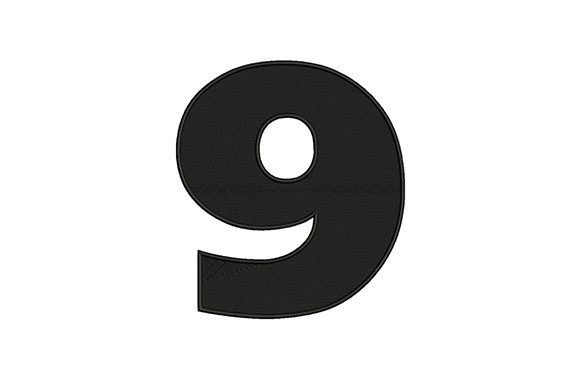
The personality of Bold Number 9 is unmistakably playful yet grounded. The geometry is clean, suggesting a design that is fun and easy to stitch, exactly as the description promises. There are no fussy flourishes or unnecessary trailing lines that might snag on a hoop or create bulk in a tight area. Instead, the design relies on strong lines and solid forms. When I imagined placing this on a project, the mood shifted instantly from "crafty" to "curated." It feels like the kind of design a customer would specifically request for a milestone birthday or a graduation gift. The layout suggests a high-quality embroidery design that respects the fabric while adding a layer of professional polish. Whether you are creating a personalized gift for a child turning nine or branding a small shop product, this number carries a weight of reliability that lighter fonts often lack.
Real-Life Application: From Scrap Fabric to Finished Product
I recently tested Bold Number 9 on a canvas tote bag intended for a local craft fair. My goal was to create a limited run of handmade products that could serve as both a practical accessory and a marketing tool for my small business. The design performed admirably during the setup phase. Because it comes with multiple embroidery file formats, I was able to switch seamlessly between my desktop software and the machine interface without losing any critical details. The transition from digital embroidery file to physical thread was smooth, with the satin stitches holding their edge beautifully against the rough texture of the canvas.
However, the true test of any machine embroidery design is how it holds up after the hoop is removed. On the tote bag, the Bold Number 9 sat flat and crisp. The fill stitches provided enough coverage to hide the underlying fabric weave, ensuring that the colors appeared vibrant and consistent. I also considered using this design on a baby onesie for a custom apparel line. The simplicity of the shape makes it perfect for baby embroidery, where comfort and softness are paramount. Unlike denser designs that can feel stiff against sensitive skin, this number offers a balance of structure and flexibility. It would look equally stunning on a sweatshirt embroidery project, perhaps paired with a school name or a sports team logo to create a cohesive team uniform look.
Strategic Placement: Where Caution is Key
While Bold Number 9 is versatile, an experienced designer knows that context matters. If you are working with small hoop sizes, you must verify the dimensions carefully. While the design is compact, placing it on a curved surface like a cap or hat requires precision. The bold nature of the number works well on flat surfaces, but on a curved brim, the perspective can distort if the digitization does not account for the radius. I recommend testing the design on a scrap piece of the same fabric before committing to a final product.
Texture and fabric choice are also critical factors. On thin fabrics, such as lightweight cotton or silk, the density of the fill stitches might cause puckering if the stabilizer is not adequate. Similarly, on stretchy fabrics like jersey knits, the design needs a stabilizer that can counteract the movement of the material. Dark fabrics present another challenge; while the design will stitch up, the contrast depends entirely on your thread color selection. If you are aiming for a subtle aesthetic, you might find the bold lines too heavy, but for a high-contrast commercial embroidery look, the pairing is excellent. Additionally, for products that need frequent washing, such as aprons or kitchen towels, ensure that the stitching density is sufficient to withstand friction and detergent cycles without fraying.
Impact on Brand Value and Customer Trust
In the world of Etsy sellers and creative entrepreneurs, the quality of the finished product directly influences buyer engagement. A poorly digitized number can make a handmade item look amateurish, undermining the trust of potential customers. Bold Number 9, however, projects professionalism. The clean lines and consistent stitch direction suggest that care was taken in the creation process. When a customer receives a personalized gift or a boutique product featuring this design, they immediately perceive value. The design acts as a visual anchor, drawing the eye and reinforcing the brand consistency of your shop.
This is particularly important for printable mockups and digital product previews. When showcasing your work online, a clear, sharp image of Bold Number 9 on various backgrounds can help visualize the potential of the finished product. It allows buyers to imagine the design on their own items, whether it is a holiday embroidery project for a festive pillow cover or a wedding gift for a couple celebrating a ninth anniversary. The design's ability to adapt to different themes makes it a valuable asset for seasonal collections, ensuring your inventory remains fresh and relevant throughout the year.
Practical Notes for the Discerning Maker
Before you download and start stitching, there are several steps every designer should take to ensure success. First, always review the stitch density. Even though the description notes that the design is easy to stitch, checking the density helps prevent issues like thread breakage or fabric distortion. Confirm the hoop size requirements to avoid clipping important parts of the design. If you are planning to use this for commercial embroidery, double-check the licensing terms to ensure you are allowed to sell finished items featuring the design.
Thread color contrast is another vital consideration. Test your chosen threads on both light and dark fabric backgrounds to see how the Bold Number 9 translates. Sometimes a color that looks great on screen appears muddy when stitched in real life. Inspect small details closely; while this design is relatively simple, ensuring that the corners and curves are properly connected is essential for a clean finish. Finally, use the proper stabilizer for your specific fabric type. Whether you are working with felt for an embroidered patch or denim for a jacket, the right support system is the difference between a wobbly result and a durable masterpiece.
In conclusion, Bold Number 9 is more than just a digitized character; it is a functional tool for designers looking to add a touch of boldness to their portfolio. Its versatility across various categories, from back-to-school supplies to holiday decorations, makes it a smart investment for any maker. By understanding its strengths and limitations, you can leverage this design to create high-quality, memorable products that stand out in a crowded market.